Removing Salt Deposits Through Targeted Pressure Washing
Living near Port Phillip Bay has obvious rewards, but it also exposes homes and outdoor surfaces to a constant, invisible attacker: salt. Across Melbourne Bayside, from Brighton, Sandringham and Black Rock to Beaumaris, Mentone and Mordialloc, airborne salt spray settles on roofs, walls, windows, driveways and fences. Over time it builds into crusty white deposits, accelerates deterioration and leaves surfaces looking tired. Targeted pressure washing is one of the most effective ways to remove these deposits and protect your property in the long term.
This guide explains how salt accumulates on Bayside properties, why it causes damage, and how professional-grade pressure cleaning, applied with the right technique for each surface, removes it safely.
How Salt Deposits Form in Melbourne Bayside
Salt reaches coastal properties in several ways. Onshore winds, particularly the strong southerly changes common in Melbourne, carry fine droplets of seawater inland. When those droplets evaporate, they leave behind microscopic salt crystals that cling to surfaces. Sea fog and humid mornings can then dampen these crystals, helping them bond to surfaces before they dry again and build up layer upon layer.
Properties closest to the foreshore receive the heaviest exposure, but salt-laden air can travel well inland during windy weather. Even homes a few streets back from the https://kameronpxue198.brightpathdigest.com/posts/why-salt-spray-demands-regular-bayside-house-washing beach often show salt effects on south-facing walls, eaves and fences that rarely get washed by rain.
Why Rain Doesn't Always Solve the Problem
Rainfall does rinse some salt from exposed surfaces, but sheltered areas tell a different story. Under eaves, behind downpipes, beneath pergolas, on window sills and along the lower edges of walls, salt remains undisturbed and accumulates. These protected zones often show the worst crusting and corrosion because they never receive natural rinsing.
The Damage Salt Can Cause
Salt is more than a cosmetic nuisance. It is hygroscopic, meaning it attracts and holds moisture. That trapped moisture keeps surfaces damp for longer, which creates the conditions for several problems:
- Metal corrosion: Colorbond roofing, gutters, fascia, balustrades, gates and window frames corrode faster when salt sits on them, especially at cut edges, fixings and scratches.
- Concrete and masonry deterioration: Salt can penetrate porous concrete, pavers, bricks and render. As it crystallises and re-dissolves, it causes efflorescence, flaking, spalling and weakened mortar.
- Paint and coating failure: Salt under paint films draws moisture through the coating, leading to bubbling, peeling and premature fading.
- Glass etching and staining: Salt film on windows and glass balustrades attracts dirt and can leave stubborn hazing if left for long periods.
- Mould and algae growth: Persistent dampness encourages organic growth, which compounds staining on roofs, driveways and walls.
- Timber damage: Decking and fences can grey, dry out and split more quickly when salt accumulates.
Because many manufacturer warranties for roofing and cladding products in coastal zones require regular washing, removing salt is often a maintenance obligation as well as a good idea. Checking your product warranty conditions is worthwhile.
Why Targeted Pressure Washing Works
Salt is water soluble, which makes water the ideal cleaning agent. The challenge is delivering enough flow and controlled pressure to reach crevices, joins and textured surfaces without causing damage. Targeted pressure washing means matching pressure, flow rate, nozzle type and technique to each surface, rather than blasting everything at maximum force.
Pressure cleaning does several things at once. It dissolves salt crystals, flushes them out of surface pores and joints, lifts accompanying dirt and organic growth, and leaves surfaces rinsed rather than simply wiped. For heavy buildup, low-pressure application of a suitable cleaning solution combined with a thorough high-volume rinse can improve results, particularly where mould or algae accompany the salt.
Pressure, Flow and Nozzle Selection
Pressure (measured in PSI or bar) gets the attention, but flow rate (litres per minute) is just as important for salt removal because it carries dissolved salt away. A wide fan nozzle at moderate pressure with strong flow will often outperform a narrow, high-pressure jet on delicate surfaces, and it reduces the risk of etching, gouging or forcing water behind cladding.
Surface-by-Surface Approach
Roof Cleaning
Roofs take the full brunt of salt-laden wind. For roof cleaning, the method depends on the material:
- Colorbond and metal roofs: Use low to moderate pressure with a wide fan tip, working with the direction of the sheet laps. Pay special attention to under-lap areas, ridge capping, flashings and fixings where salt gathers. Avoid aggressive pressure that can damage coatings.
- Concrete and terracotta tiles: Controlled pressure removes salt, lichen and moss. Tile surfaces can be damaged by excessive force, so technique matters. Following cleaning, any necessary repairs or resealing should be assessed.
- Gutters and eaves: Salt, leaf litter and silt combine in gutters and hold moisture against metal. Flushing them out helps prevent corrosion and blocked downpipes.
Roof work carries real fall risks. Working at height is regulated in Victoria, and it is safest left to trained operators with appropriate fall protection equipment.
House Washing
Regular house washing removes salt film from rendered walls, weatherboards, brickwork, and cladding. Soft washing, a low-pressure method using appropriate detergents followed by a rinse, is generally preferred for painted surfaces, render and weatherboards. It cleans effectively without stripping paint or driving water into cracks. Brick and masonry can usually tolerate slightly higher pressure, though old or soft mortar needs care.
Windows, frames, fly screens, door tracks and sliding door runners should also be rinsed, as salt buildup here can cause stiff operation and corrosion over time.
Driveway Cleaning
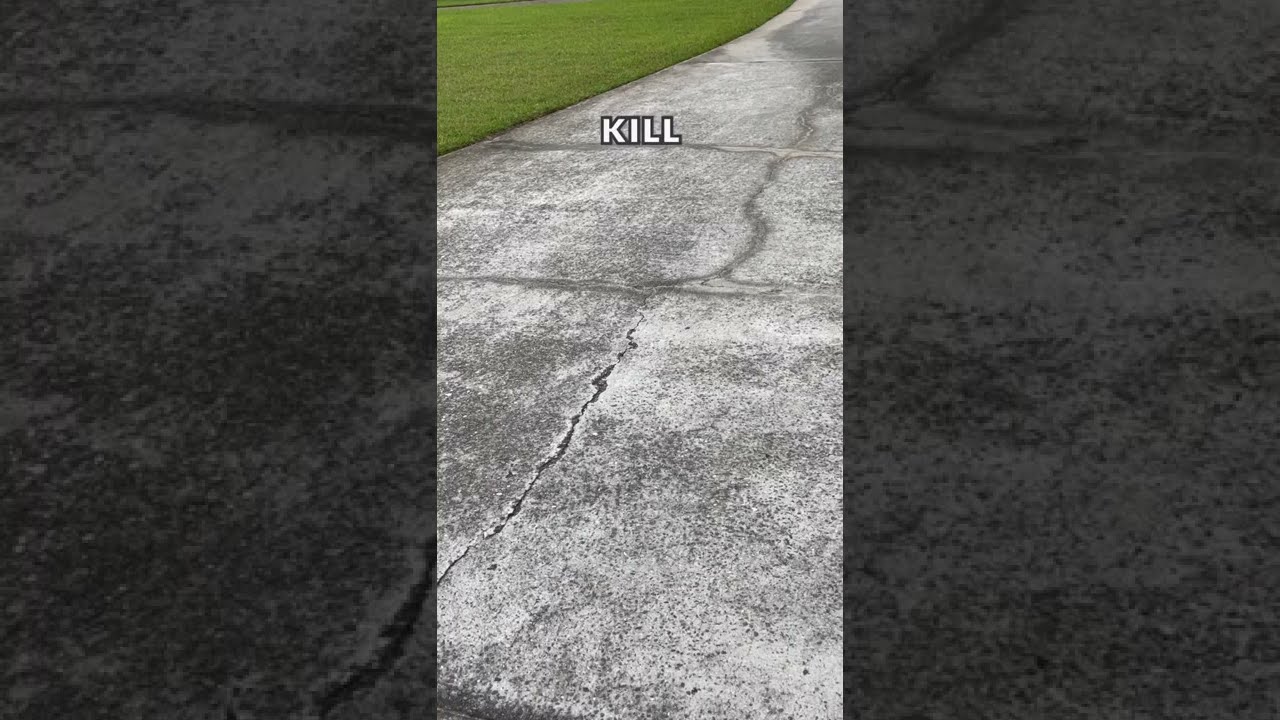
Concrete driveways, paths, pavers and patios near the coast absorb salt and trap it in their pores. Driveway cleaning with a surface cleaner attachment delivers even coverage, avoids the striping that can result from hand-wand work, and flushes salt from the surface layer. Pavers may need joint sand replaced afterwards, and sealing can help reduce future absorption of salt and stains. Exposed aggregate, stencilled concrete and natural stone each need tailored pressure settings to prevent surface damage.
Fences, Decks and Outdoor Structures
Timber decking and fences respond well to gentle power washing, but excessive pressure can raise the grain or leave fuzzy, damaged surfaces. Metal pool fencing, balustrades, outdoor furniture frames and BBQ areas also benefit from a thorough rinse, which helps reduce rust and pitting.
Power Washing vs Pressure Washing: Is There a Difference?
The terms power washing and pressure washing are often used interchangeably in Australia. Technically, power washing refers to using heated water, while pressure washing uses cold water. For salt removal, cold water is typically sufficient because salt dissolves readily. Hot water can help when salt is combined with oils, grease or heavy organic staining, though it is not essential for most Bayside homes.
Environmental Considerations in Bayside
Proximity to Port Phillip Bay means wash water management matters. Stormwater drains in Melbourne flow directly to creeks and the Bay without treatment. Responsible operators prevent detergents, sediment and contaminants from entering drains by using biodegradable products, blocking or filtering drain inlets, and capturing or redirecting wash water where required. EPA Victoria guidelines and local council requirements apply, so it is worth confirming that any contractor follows proper wash water practices. Using water efficiently is also sensible, and many operators use flow-controlled equipment to reduce waste.
How Often Should Salt Be Removed?
Frequency depends on how exposed your property is. As a general guide for Melbourne Bayside:
- Beachfront and near-foreshore properties: Wash roofs, walls, windows and metalwork every 3 to 6 months.
- Properties within a few kilometres of the coast: Aim for a thorough pressure clean every 6 to 12 months, with extra attention to sheltered areas.
- Further inland but wind-exposed homes: An annual clean is usually adequate, with spot rinses after major wind events.
Between professional cleans, a gentle rinse with a garden hose on windows, sills, eaves and metalwork helps reduce accumulation.
Common Mistakes to Avoid
Using Excessive Pressure
High pressure can strip paint, scar timber, erode mortar, damage roof coatings and force water into wall cavities or roof spaces. More force does not mean a better result.
Ignoring Sheltered Areas
Under eaves, behind downpipes, on the underside of pergolas and on lower wall edges are the places where salt is most concentrated. Skipping them leaves the most damaging deposits in place.
Cleaning Without Follow-Up Protection
Once surfaces are clean, protective measures extend the benefit. These may include resealing concrete or pavers, repainting failing coatings, treating early rust spots on metal, and applying protective sealers or coatings suited to coastal conditions.
Using Harsh Chemicals Unnecessarily
Strong acids or bleach-based products can damage metal, plants and paint, and they pose runoff risks near the Bay. Salt itself usually requires just clean water and proper technique.
Choosing a Pressure Cleaning Service in Melbourne Bayside
When selecting a provider, consider the following:
- Experience with coastal properties and varied surface types
- Appropriate public liability insurance and safe working-at-height practices
- A clear approach to wash water and stormwater protection
- Use of adjustable equipment and soft washing capability, not just high-pressure methods
- Transparent quotes that explain which surfaces and areas are included
Protecting Your Bayside Property for the Long Term
Salt exposure is a permanent feature of coastal living, but its effects are manageable. Routine, well-executed pressure washing removes corrosive deposits before they cause lasting damage, helps coatings and materials last longer, and keeps your home looking its best. Whether you need roof cleaning, house washing, driveway cleaning or a complete exterior refresh, matching the method to the surface is the key to getting clean results without causing harm. For Melbourne Bayside homeowners, building salt removal into an annual maintenance routine is a practical step to protect one of your biggest investments well into 2027 and beyond.
Bayside Pressure Cleaning Pros
Unit 3/3-5 Arnold St, Cheltenham VIC 3192
ph. (03) 4517 6380